
"coffee plant soil"
10000 article(s) found

Kaddura and Kaduai Coffee beans in Tarazu production area of Saint Roman washing Plant, Costa Rica
The harvesting method and refining method are adopted. Generally speaking, it is better to adopt manual harvesting method and water washing refining method. A variety of fine coffee. It is better to use Arabica inherent variety Tibica or bourbon variety. Is the altitude, topography, climate, soil and refinement of the cultivated land or farm clear? Generally speaking, the coffee with high altitude is of higher quality, and the fertile volcanic soil is the best soil.

Coffee cultivation techniques how to cultivate coffee seeds? Suitable climate and soil for coffee cultivation
Professional coffee knowledge exchange more information about coffee beans Please follow the coffee workshop (Wechat official account cafe_style) what are the fruits and seeds of coffee? Coffee beans bear fruit Coffee is a perennial evergreen shrub of the family Rubiaceae. At present, the coffee with economic value is Coffea arabica (Arabica) and Coffea canephora (Robusta).

The origin of boutique coffee is introduced to Johnson Manor in Panama.
Professional coffee knowledge exchange more coffee bean information please pay attention to the coffee workshop (Wechat official account cafe_style) Jason Manor is located in the west side of the Baru volcano Volcon, with a total area of 1200 hectares, the soil of the farm is rich in nutrient volcanic ash soil, because geisha coffee must be grown in high altitude areas, about 1750 meters above sea level, coffee farms scattered in various farms, unable to form

Is it okay to grow coffee in the north? are there any coffee trees adapted to the north? can coffee be grown in a greenhouse?
Professional coffee knowledge exchange more information about coffee beans Please follow the coffee workshop (official Wechat account cafe_style) Miss Fan, who was looking for beans in America a few days ago, shared photos of palm trees and big beaked bird estates. This is one of them. From a planting point of view, we call it compost, which means to put some unwanted biological waste in the manor, including coffee peel, waste branches, leaves.

The introduction of the nine boutique producing areas in Ethiopia, the parameters of the Lion King hand Chong in Xidamo
Ethiopian name: Ethiopia location: East African Capital: Adis Abba Addis Ababa Religion: Christian main language: Amharic time Zone: GMT+3 Metrology: metric (Metric) currency: bill Birr (1 $20 birr) Agricultural products (export): coffee, flowers, sesame are the main cash crops export port: Djibouti, now

Flavor description of coffee bean varieties planted in El Salvador distribution manor information
Communication of professional baristas Please pay attention to the coffee workshop (Wechat official account cafe_style). The coffee grown in El Salvador is 100% Arabica coffee and grows in mountainous and volcanic slopes rich in organic fertile soil. El Salvador produces the world-famous Bourbon variety, which is highly appreciated by coffee connoisseurs all over the world. Especially

Differences, distinctions and prizes of individual beans of Guatemalan coffee
Professional barista exchanges please follow the coffee workshop (Wechat official account cafe_style) Guatemalan coffee single bean differences, distinction and award-winning situation tasting Vivette Nan fruit single coffee, suitable for slow taste, because as the temperature recedes, it will send out another level of aroma and taste, a touch of lemon, with soft fruit sour but sweet, accompanied by coincidence

Coffee growing environment
A warm climate with temperatures ranging from 15 ° C to 25 ° C, and rainfall of 1500 mm to 2000 mm throughout the year, at the same time, its rainfall should be able to match the flowering cycle of coffee trees. Of course, in addition to seasonal and rainfall coordination, there must be fertile soil. The soil most suitable for coffee cultivation is fertile, well drained soil containing pozzolanic matter. In addition, although sunlight is coffee

Introduction of Nicaraguan coffee with a unique environment and fertile volcanic soil
Madriz is an ecological coffee with a very hard shell. In the pure natural planting environment, it uses more complex operations to maintain the delicate aroma and taste of the coffee; it is produced in northern Nicaragua between Matagalpa and Jinotega, with an average annual rainfall of 1500-1700mm and a temperature of 20-29 degrees Celsius. All use manual selection of coffee.

West Damogu Ji-Mokanisha Processing Plant Introduction Ethiopia Administrative Division and Green Bean Naming Rules
Sidama is located in southern Ethiopia. The industry here is dominated by agriculture, with coffee-growing areas located around the Great Rift Valley. Sidamo coffee is very diverse. Different soil types, microclimates and numerous native coffee species, high mountains, highlands, plateaus, valleys and plains within the production area, and diverse terrain

What conditions do you need to grow coffee? where is the coffee planting belt located and why is it suitable for coffee cultivation?
Professional coffee knowledge exchange more coffee bean information Please follow the coffee workshop (Wechat official account cafe_style) Front Street-Coffee growing Zone introduction if we want to understand what is a coffee belt, we first need to know the growth environment of coffee tree, which plays a decisive role in the life cycle of plants: water, air, soil and light. But for coffee tree,

Costa Rican coffee Tarazu fertile soil farm Tierra Fertil Costa Rican organic coffee
Professional baristas follow the coffee workshop (Wechat cafe_style). Emilio Marin has been growing coffee with his son Julio for more than a decade. The fertile soil of their farm (Tierra Fertil) is located in the Frailes de Deamparado of Tarrazu, a famous coffee producing area in Costa Rica, at the same altitude.
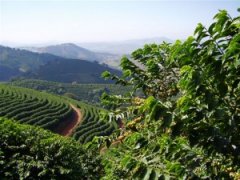
The living conditions of Coffee Manor at the Source of Coffee Industry chain
In the whole coffee industry chain, coffee planting is probably the source. If you want to save costs, coffee giants with profits will contract local coffee estates where they are going to perform. Starbucks, the fastest growing coffee leader in China in recent years, has also signed a supply agreement with Aini Coffee in Yunnan, China, and then there will be Brista Coffee training School to take you into the coffee.

Small coffee, medium coffee, large coffee, brand, price, type, taste, introduction
Coffee small grain large grain contrast map brand price category manor taste introduction coffee growth and development and climate and environmental conditions are closely related. In the areas with strong wind, high temperature, strong light and easy drought soil, axillary buds tend to differentiate into flower buds, and the growth of branches is small, which is easy to cause premature senescence. Therefore, to choose quiet wind, humidity, light shorter place for garden. small
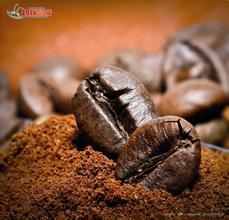
Daily management of coffee cultivation 1 serving of espresso caffeine
The main results are as follows: 1. The root system of intercropping coffee elongates with the growth of plant, and the root growth range is beyond the range of planting hole half a year after planting. Therefore, it is best to dig deeply from half a year to one year before the rainy season comes, and the depth should be 0.4-0.5 meters according to soil conditions and root distribution. 2. To fertilize coffee, it is necessary to master the type and amount of fertilizer, not only an appropriate amount, but also an appropriate amount.

What kind of environment is suitable for planting coffee trees?
However, not all the land located in this area can produce good coffee trees. The ideal planting conditions of coffee trees are as follows: the temperature is between 15 ℃ and 25 ℃, and the annual rainfall must reach 1500 mm to 2000 mm. At the same time, the rainfall time should be in line with the flowering cycle of coffee trees. Of course, in addition to the coordination of seasons and rainfall, there are also fat ones.

Guatemala grafted Manor Coffee Bean characteristics and Flavor description of producing area Information
Exchange of professional baristas Please follow the coffee from the coffee workshop (Wechat official account cafe_style). The coffee from the award-winning grafting manor has won the prize in the COE Competition every year since 2004 and won the presidential grade in 06, 08, 09 and 10 (that is, with a total score of more than 90 points). But unlike the Jade Manor, which competes with geisha, it competes with different kinds of beans every year. Still remember 2010.

Antigua Coffee Bean Flavor Characteristics Information about growing area History Variety Growing environment
Professional barista exchanges, please pay attention to coffee workshop (Weixin Official Accounts cafe_style ) The most brilliant center of Maya civilization Guatemala has a unique geographical environment in Central America, with North America in the north and South America in the south. Due to the Caribbean Sea and the Gulf of Mexico, the climate is relatively hot and humid, and it has always been an important coffee producing area in the world. For over a hundred years, coffee has been a staple.
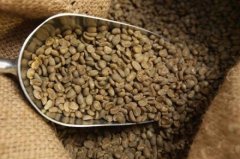
Requirements of Coffee on Ecological Environment Environmental requirements for planting Coffee trees
Small seed coffee is native to the lower part of the Ethiopian rainforest in northern Africa. The temperature is relatively low, with an average annual temperature of 20 degrees. The origin of medium-grain coffee is near the equator. Therefore, small seed coffee has stronger cold tolerance and wider adaptability than medium grain coffee. Medium-grain coffee requires a slightly higher temperature. First, the requirement for temperature should be based on the natural conditions of Yunnan, and the suitable planting area of coffee should be selected.

Which countries and regions can grow coffee? Why? Where does coffee come from? Coffee
Since coffee trees are tropical plants, they need to be planted in warm places. The main planting area is distributed between latitude 25 south and latitude 25 north with the equator as the center, so this area is also called the coffee belt. However, even in the coffee belt, Arabica and Robeska do not grow in exactly the same area, but grow up in an environment that is more suitable for their own growth.